Every healing journey begins somewhere. For some people, the journey toward healing begins after a significant life event while for others, it begins with a growing awareness that something doesn’t feel quite right. They may not be able to explain it, but they recognize that the ways they think, feel, behave, or respond to life’s challenges are no longer serving them in the ways they once did.
Whatever brought you here, I hope this series has helped you understand that healing is not reserved for a select few. It’s a journey that begins with awareness, grows through understanding, and continues one step at a time. Throughout this series, we’ve explored what trauma really looks like, how survival responses develop, why boundaries can feel so difficult to establish, and how shame and core beliefs often shape the way we see ourselves and relate to others. We’ve also discussed how the past can influence the present and why healing is rarely a straight path.
If there is one message I hope you carry with you, it’s this: your experiences may have shaped you, but they don’t have to define you. Understanding your story isn’t about assigning blame or remaining focused on the past. It is about recognizing how your experiences have influenced your thoughts, emotions, relationships, behaviors, and reactions to situations and others, so you can begin making intentional choices moving forward. Awareness creates the opportunity for change and while change rarely happens overnight, it often begins with a single decision to respond differently than you did before.
Healing doesn’t require perfection, nor does it require you to have all the answers before you begin. Most people don’t wake up one morning feeling completely healed. Instead, they grow through countless ordinary moments. They begin speaking to themselves with greater compassion, setting healthier boundaries, asking for support when they need it, and choosing responses that align more closely with the life they want to live. Those choices may seem small, yet they often become the foundation for lasting change.
It’s important to remember that healing doesn’t look the same for everyone. Some people find support through therapy, while others begin by journaling, reading, connecting with trusted friends or family members, participating in a support group, or strengthening their faith. There is no single path that works for everyone, and there is no timeline that determines whether you’re healing “fast enough.” Your journey is your own.
There may be days when progress feels obvious and days when it feels almost invisible. There may even be moments when you feel hopeful and others when you question whether anything is changing at all. Those experiences don’t mean you’re failing but rather they simply remind you that growth is a process and meaningful change often happens gradually.
Perhaps the greatest gift you can give yourselves is permission to keep moving forward without demanding perfection from yourselves along the way. Whether your next step is scheduling your first therapy appointment, opening a journal for the first time, having an honest conversation with someone you trust, or simply allowing yourself to acknowledge that your experiences matter, every meaningful journey begins with a willingness to take that next step. Healing doesn’t ask you to become someone else; it invites you to become more fully yourself.
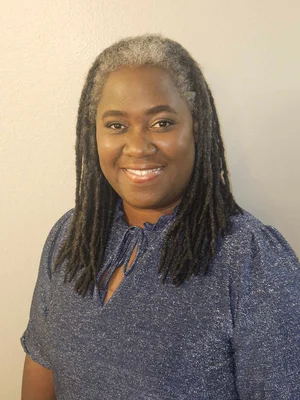
Dr. Paula’s Reflection
Every healing journey begins with a decision, although that decision isn’t always as dramatic as people imagine. Through my work and personal experiences, I’ve found that it often begins in quiet moments when someone chooses curiosity over self-criticism, honesty over avoidance, or hope over the belief that nothing will ever change. Those moments may seem insignificant at the time, yet they frequently become the turning points people recognize only when they look back.
My hope is that this series has provided more than information. I hope it has helped you make sense of some of your experiences, recognize patterns you may not have noticed before, and understand that many of your struggles developed within a context rather than appearing out of nowhere. More importantly, I hope it has reminded you that healing is possible, even if the path forward is not always easy or clearly marked.
As you close this series, I invite you to spend a few quiet moments reflecting on one question: What is one small step I can take this week that moves me toward healing rather than away from it? It doesn’t have to be a giant leap because sometimes the smallest step is the one that changes the direction of the journey.